
Often when you think of a classroom it varies by age. Elementary schools are adorned in bright colors and carpet, with ample space to run about and move. On the other hand, the stereotypical high school classroom is desks, chairs and textbooks.
Why is that?
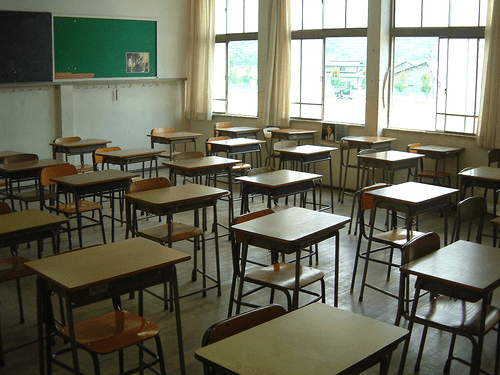
In early education it is common and often encouraged to have kids learn in a hands-on way, however they see fit. You’ll see kids shaking out their jitters while learning their numbers and syllables. Of course, we don’t see as much of that now. Some think that by middle or high school, students grow out of using those self regulation techniques. In many cases these behaviors are phased out for the sake of professionalism or maturity, but they are still necessary even through high school.
Although we may not take a break to sprint the perimeter of our classroom for no apparent reason, we can (and should!) involve movement in other ways. When students are given the opportunity to stand, stretch or otherwise move their bodies it can help improve focus and retention. Movement helps get your blood circulating and your mind re-engaged.
We also know that students all have different needs and learning styles, so offering the option to sit, stand or work away from a desk can be incredibly beneficial. Of course teachers can help us out by providing these options, but we as students can suggest alternatives for each other’s benefit in the classroom. It’s really that easy, including a couple jumping jacks or a 10 second shakeout in between lecture and activity can make lessons engaging and meaningful.
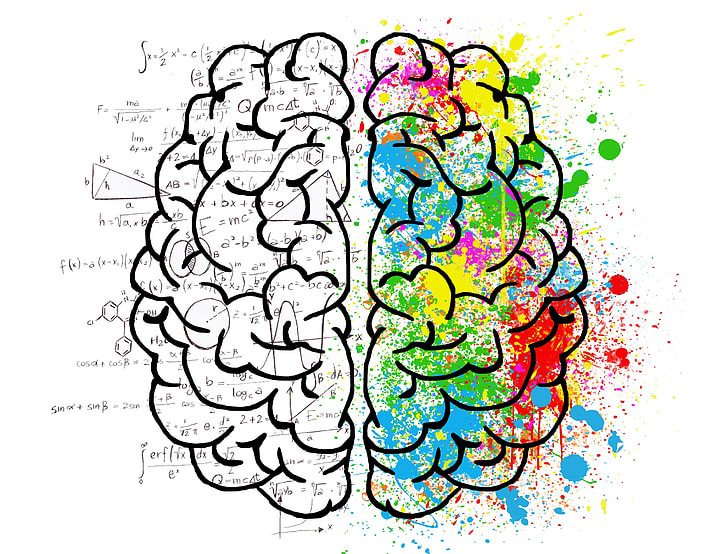
Just like our Brains need oxygen and food, they also need stimuli. One could argue that the best way to beat boredom in class is to move! So from brain breaks to breaking it down on the dance floor: What are ways you can help you brain reset in the classroom?
And since our attention spans are on the shorter side, that’s all from me this week. As always, advocate for your needs, make sure to drink water and have a great day!

 Skyline Learning Center